Visit The Character Effect website
The
Character
Effect
Visit The PCX website
PCX
App Coming Soon!

Beech Acres

Bullying

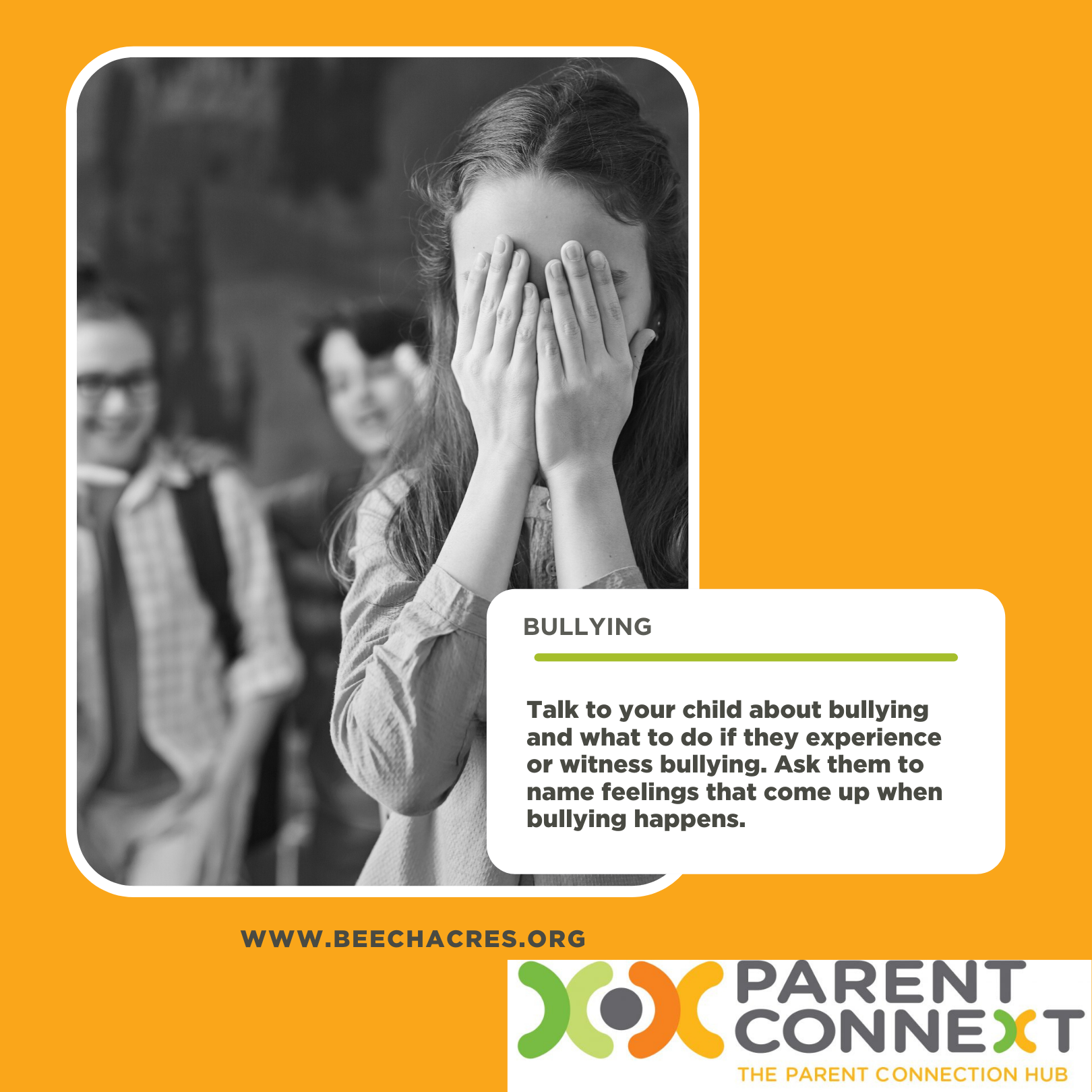
Orange graphic with an image of a little girl hiding her face with bullies standing behind her with a text box with information about bullying
Bullying, Cyberbullying, Parent Connext™, Parenting Tips

Information on Bullying From Parent Connext

Bullying is a Common Parenting Concern Most parents say that one of their greatest fears is that their children will experience BULLYING by their peers. With information and support, parents can take steps to decrease the likelihood of their child being bullied, as well as help their child if they do experience bullying. Bullying is defined as unwanted, aggressive behavior among school-aged children that involves a real or perceived power imbalance. The behavior is repeated, or has the potential to be repeated, over time. – stopbullying.gov Types of Bullying:•Physical – hurting a person’s body or possessions. Includes hitting, kicking, pinching, spitting, tripping, pushing, taking or breaking someone’s things. •Verbal – saying or writing mean things. Includes teasing, name-calling, taunting, or threatening to cause harm. •Social – hurting someone’s reputation or relationships (also called relational bullying). Includes leaving someone out on purpose, telling other children not to be friends with someone, or embarrassing someone publicly. •Cyberbullying – Bullying via the internet and social media. Talk to Your Child Talk to your child about bullying and what to do if they experience or witness bullying. Ask them to name feelings that come up when bullying happens. Develop a Plan Read a book or watch a show or movie together that addresses bullying. Discuss it as a family. Determine how your family will deal with bullying. Talk to your child about what it means to be an Upstander. Role play situations that might happen and try different responses. Encourage Positivity Encourage positive friendships. Arrange play dates & encourage your child to reach out to a friend to get together. Building strong, positive social connections helps prevent bullying and helps build resilience. We’re Here For You! Parent Connext® provides parents with prompt, practical support for a variety of parenting challenges that families face every day. Contact us today.

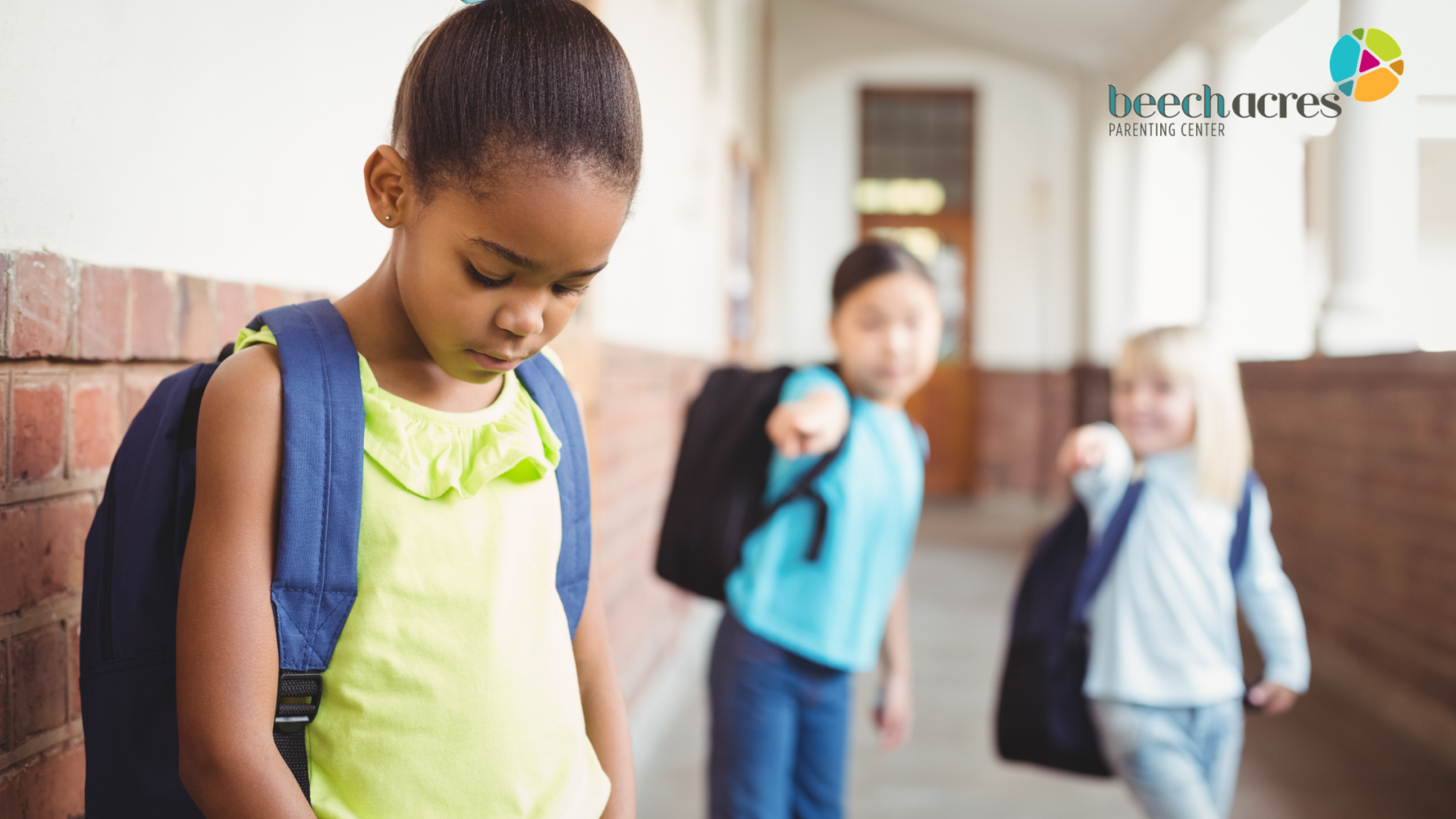
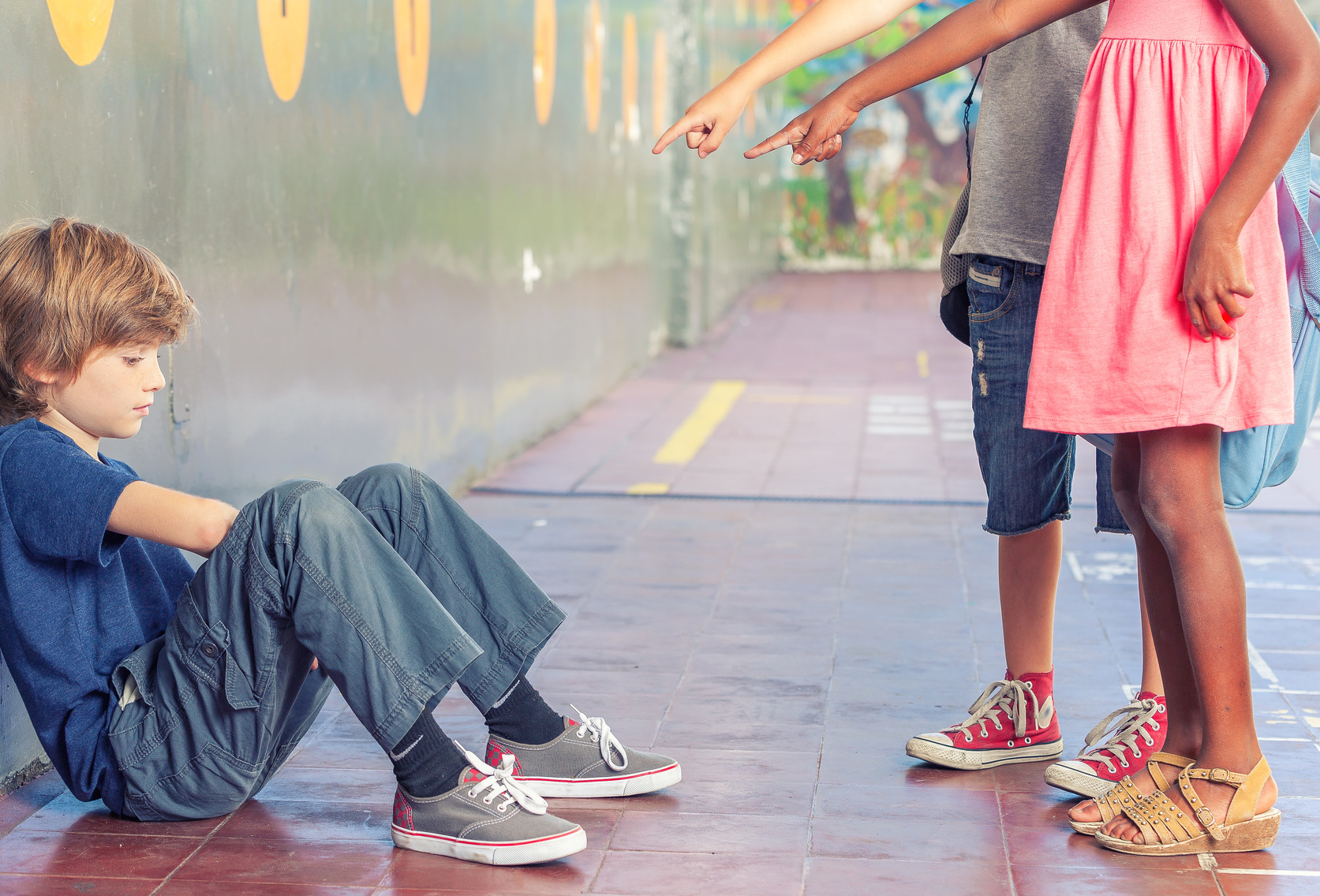
Photo of a young girl with her head down being pointed at and bullied by two other young girls
Bullying, Parenting Tips, Parenting Tips

October is National Bullying Prevention Month

October is National Bullying Prevention Month. All month, we’ll be exploring this critical issue that impacts so many children. Approximately 20% of all kids ages 12-18 report being bullied. What can you do if your child is being bullied? Our parenting experts will weigh in with ways you can identify if your child is being bullied, how to talk to them about bullying (more importantly, how to listen to them), and how to partner with your teacher if your child is being bullied. Bullying is a serious issue that many parents are concerned with. Building resilience can help your child if they become a victim of bullying. Get started building your child’s resilience by discovering their strengths. Bookmark the Beech Roots blog and sign up for our parenting e-newsletter to learn more about bullying this month.

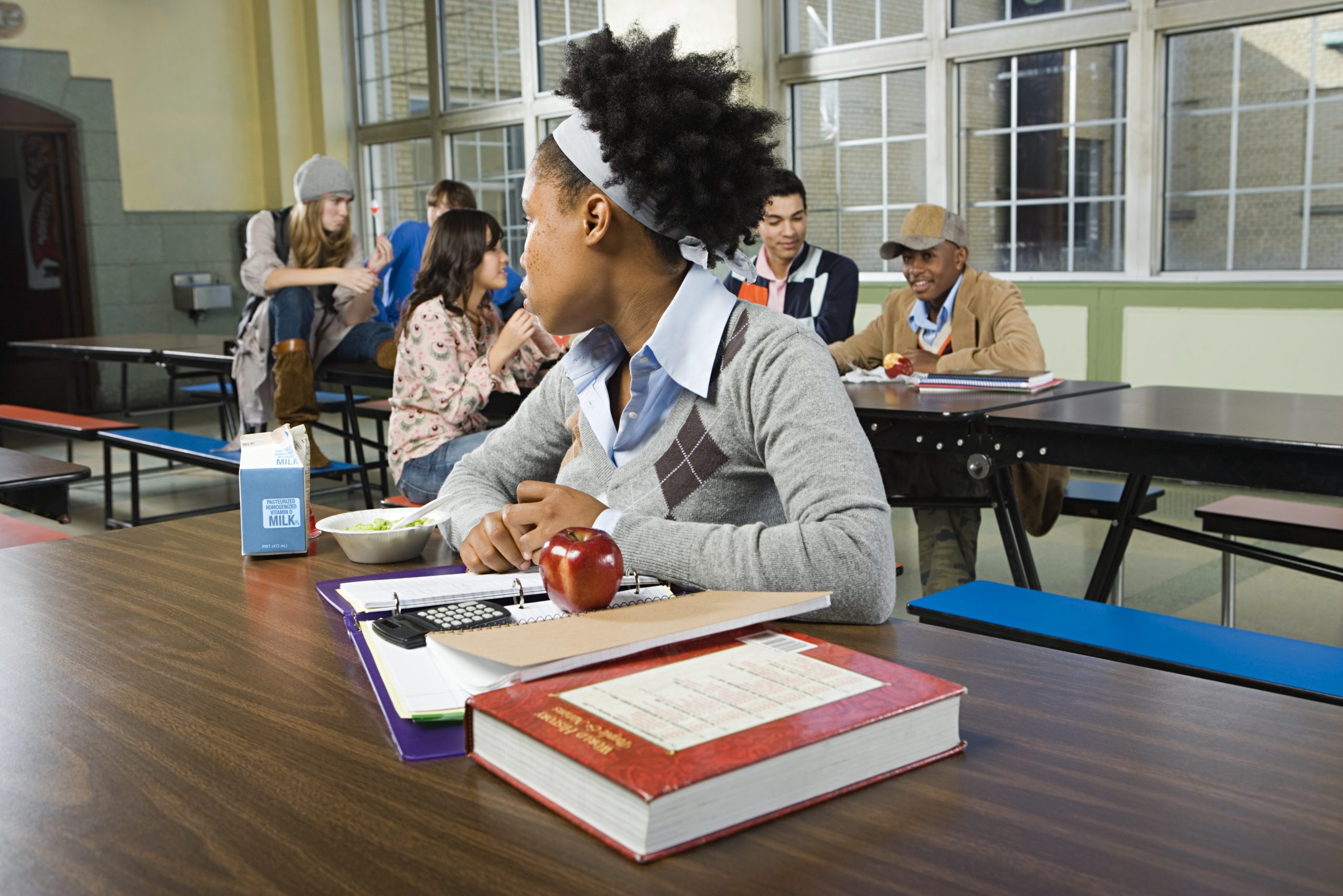
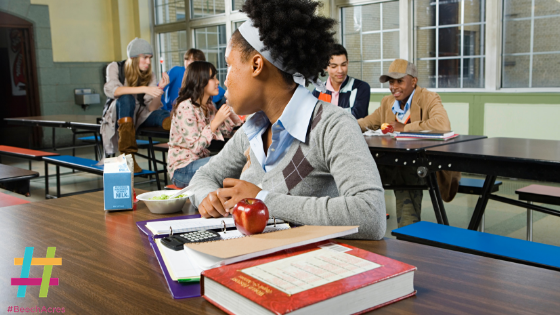
Photo of a young student sitting alone at lunch
Bullying, character strengths, Cyberbullying, The Character Effect™

How Can The Character Effect™ Have An Effect On Bullying?

Bullying continues to be a major problem for students. We know that about 1 in 4 students in the United States say that they have been bullied. The majority of this occurs in middles school and usually involves both verbal and social bullying. So, how can mindfulness and character strengths #HaveAnEffect on bullying? Research shows that Social & Emotional Learning (SEL) programs like The Character Effect™ can be an effective component in comprehensive bullying prevention interventions in schools*. The Character Effect™ (TCE) helps build students’ resilience. We do this by increasing their social-emotional learning competencies of self-awareness, self-management, social awareness, relationship skills, and responsible decision making.  These competencies have been proven to help students learn to interact with others appropriately, create positive relationships, control impulses and stand up for what is right. A resilient student is more likely to be able to handle situations they encounter in a more positive manner. Students who participated in school-wide SEL programs to prevent bullying were 56% less likely to report name-calling by other students*. The Character Effect™ also helps students nurture and develop specific strengths that can be effective against bullying. These strengths include Friendship, Bravery, Self-Control, Kindness, Judgment, and Perspective. All of which are all helpful when learning to interact with peers and handle conflict. Bullying is not going away anytime soon. However, we can teach our students coping skills that rely on their own unique strengths to help mitigate the effects of bullying. Want to #HaveAnEffect in your school? Contact us today and learn how the positive psychology of mindfulness and the power of the 24 character strengths can improve your school’s culture.   *Smith, Brian H., and Sabina Low. “The role of social-emotional learning in bullying prevention efforts.” Theory Into Practice 52.4 (2013): 280-287. *Espelage, Dorothy L., et al. “Clinical trial of Second Step© middle-school program: Impact on aggression & victimization.” Journal of Applied Developmental Psychology 37 (2015): 52-63.  

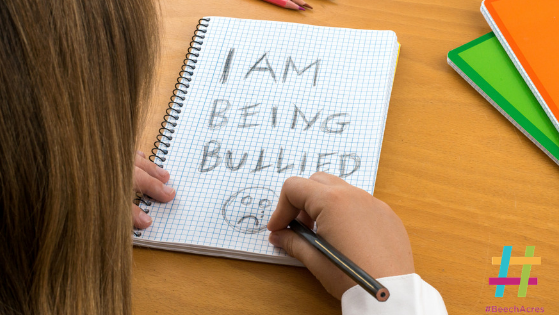
Photo of a child's hand writing I Am Being Bullied on a notepad
Bullying, Natural Strength Parenting™

How Can You Tell If Your Child Is Being Bullied? Here Are Some Things to Look For…And What to Do If They Are

Is My Child Being Bullied? It’s one question every parent dreads; is their child is being bullied at school?  Bullying is a serious issue that affects children of all ages. Sometimes it may not be obvious that your child is being bullied and if they are, they may not be ready to tell you about it. That’s OK. Here are a few things you can look for that may indicate your child is being bullied along. And what to do if they are.  All tips based on Natural Strength Parenting™. Torn or Ripped Clothing One sign that your child may be experiencing physical bullying is torn or ripped clothing. If your child comes home from school with a tear in their favorite hoodie or ripped jeans be sure to ask what happened. This is a good way to start the conversation and to let them know you care. NSP™ Tip: Being fully present and engaged in these conversations may help your child feel more comfortable and thus more likely to open up to you. Damaged Property If your daughter or son bring any of their personal items home from school damaged, it could be a sign they are being bullied. Broken tablets or laptops, damaged backpacks, ripped folders or paper and shattered or missing cell phones can all indicate something is wrong. Make sure you ask questions, especially if you notice multiple or repeated damage to personal items. You can allow them the opportunity to discuss what is happening and start to move forward by asking a few simple questions. “I notice your backpack is looking a little beat up. I know you love that backpack, is there anything you’d like to discuss before dinner?” NSP™ Tip: Providing the opportunity to clear something up can encourage your child to discuss the issue and start to move forward. Unexplained Cuts, Bruises, and Scratches It is important to be aware of any physical injuries your child comes home with. The occasional skinned knee or elbow is to be expected, but any physical symptoms should be addressed right away. When asking what happened, look for details and make sure to offer reassurance. If your child is being harmed physically it is a very serious manner and may be difficult for them to bring up with you. NSP™ Tip: If your child is hurt try a quiet, mindful moment with them to calm them down. Even just a few slow, deep breaths can help quiet their mind and have a calming effect. Changes in Attitude or Behavior Watch for changes in attitude towards school, sports, or other activities. Difficulty sleeping, loss of appetite or other noticeable changes in their behavior can all be signs that something is wrong. If your child is being bullied and they do not know how to deal with it, it can affect their mood. Be aware of any changes that you notice and take the opportunity to sit down and talk with them. Sometimes just taking time to ask the right questions can make a big difference. NSP™ Tip: Take a moment to recognize or celebrate a good grade on a test, a strong effort in a game, or a kind act you’ve seen them do recently. Offering affirmation to your daughter or son can help them focus on something positive.

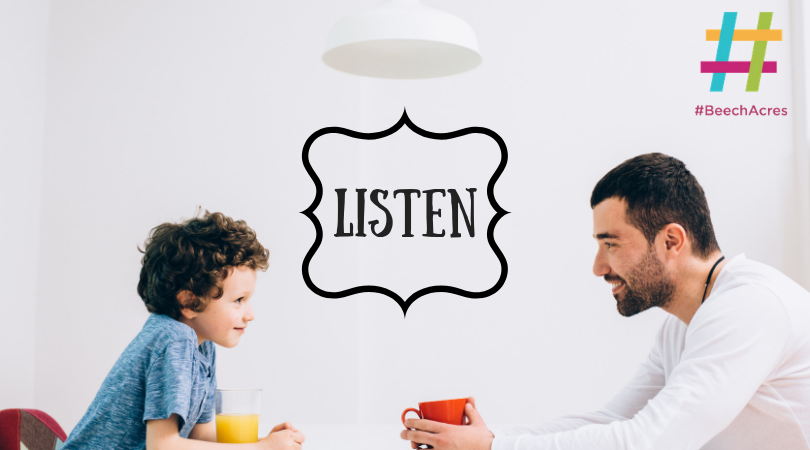
Photo of a man and child with listen written in a black shape
Beech Acres, Bullying

Listen To Your Child If They Tell You They Have Experienced Bullying.

Listen. 28% of U.S. students in grades 6-12 experience bullying. Listening to your child is an important step in addressing and possibly preventing bullying. Listen with empathy and give your child your undivided attention. Offer reassurance, acknowledge the situation, and assure them you are taking them seriously. Ask your child how they see you helping the situation. This gives them some control over something they feel they have no control over. Try saying something like this: “I cannot imagine how difficult it is to worry about what they might say or do next. I have an idea about how I will take action, but I’d like to hear from you about what you would like for me to do”. By taking this approach you are modeling how to stand up for yourself in a proactive and confident way. Dealing with a bully is a delicate and difficult situation for your daughter or son. Simply listening to them is a great way to begin to empower them to address the problem. Although 25% of teens report being bullied, there are more that will not disclose out of fear or shame. Younger children do not always recognize this dominating behavior as bullying and may not report it as such. If your child tells you they are being bullied, start by letting them know you are glad they came to you. Then assure them that you take it seriously. You can start by actively listening to their concerns. Ask lots of questions, but without judgment. It is important to make them feel safe talking to you. Finally, offer reassurance that you have heard their concerns and that you take it seriously. NSP™ Tip: Actively listen, take them seriously, ask lots of questions and offer reassurance. If you need assistance, we are here to help with this and other parenting challenges. Call 513.231.6630 to learn more.

Photo of a child's hand writing I Am Being Bullied on a notepad
Beech Acres, Bullying, Natural Strength Parenting™

Is My Child Being Bullied? Here’s How You Can Identify Potential Signs Of Bullying

Sometimes it may not be obvious that your child is being bullied and if they are, they may not be ready to tell you about it. That’s OK. Here are a few things you can look for that may indicate your child is being bullied along with some quick tips based on Natural Strength Parenting™. Torn or Ripped Clothing One sign that your child may be experiencing physical bullying is torn or ripped clothing. If your child comes home from school with a tear in their favorite hoodie or ripped jeans be sure to ask what happened. This is a good way to start the conversation and to let them know you care. NSP™ Tip: Being fully present and engaged in these conversations may help your child feel more comfortable and thus more likely to open up to you. Damaged Property If your daughter or son bring any of their personal items home from school damaged, it could be a sign they are being bullied. Broken tablets or laptops, damaged backpacks, ripped folders or paper and shattered or missing cell phones can all indicate something is wrong. Make sure you ask questions, especially if you notice multiple or repeated damage to personal items. You can allow them the opportunity to discuss what is happening and start to move forward by asking a few simple questions. “I notice your backpack is looking a little beat up. I know you love that backpack, is there anything you’d like to discuss before dinner?” NSP™ Tip: Providing the opportunity to clear something up can encourage your child to discuss the issue and start to move forward. Unexplained Cuts, Bruises, and Scratches It is important to be aware of any physical injuries your child comes home with. The occasional skinned knee or elbow is to be expected, but any physical symptoms should be addressed right away. When asking what happened, look for details and make sure to offer reassurance. If your child is being harmed physically it is a very serious manner and may be difficult for them to bring up with you. NSP™ Tip: If your child is hurt try a quiet, mindful moment with them to calm them down. Even just a few slow, deep breaths can help quiet their mind and have a calming effect. Changes in Attitude or Behavior Watch for changes in attitude towards school, sports, or other activities. Difficulty sleeping, loss of appetite or other noticeable changes in their behavior can all be signs that something is wrong. If your child is being bullied and they do not know how to deal with it, it can affect their mood. Be aware of any changes that you notice and take the opportunity to sit down and talk with them. Sometimes just taking time to ask the right questions can make a big difference. NSP™ Tip: Take a moment to recognize or celebrate a good grade on a test, a strong effort in a game, or a kind act you’ve seen them do recently. Offering affirmation to your daughter or son can help them focus on something positive.

Photo of a child sitting alone at lunch
Beech Acres, Bullying

October is National Bullying Prevention Month

Did you know more than one out of every five students report being bullied? October is National Bullying Prevention Month. All month long we will be sharing information from our parenting experts on how to navigate this difficult and unfortunate aspect of growing up. Topics we’ll explore include: How to identify potential signs that your child is being bullied How to listen to your child when they tell you they are being bullied Strategies to address bullying How to approach the subject with your child’s teachers Cyberbullying Bullying is a serious concern for children and parents everywhere. It can affect your child’s mood, self-confidence, and academic performance. Being proactive can help identify, prevent, or stop bullying. Make sure to bookmark our blog, sign up for our parenting newsletter, and join the conversation on Facebook and Twitter.

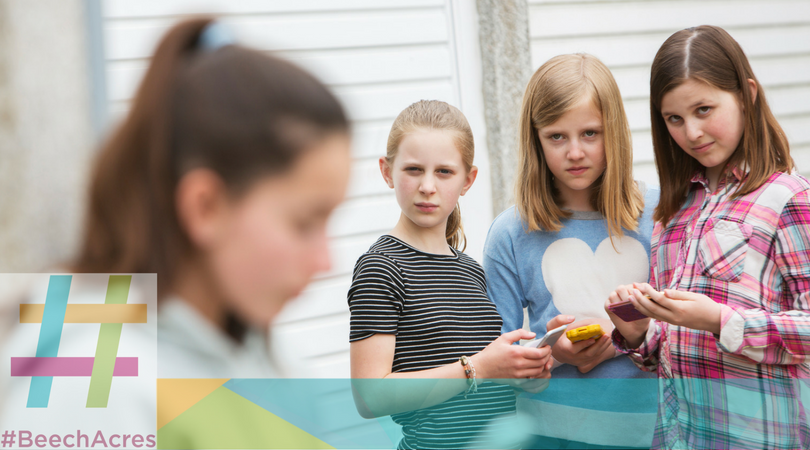
Photo of three young girls look menacingly at another young girl with her head down
Beech Acres, Bullying, Cyberbullying, Parenting Tips

My Kid May Be A Cyberbully! What Should I Do?

You recently discovered some inappropriate, mean, or hurtful comments directed at other children on your child’s phone. What will you say? Cyberbullying, a form of bullying or harassment using digital contacts such as texts, email, or social media, is a growing concern for parents. The influence of technology on our culture has never been greater. Kids are using digital devices at an earlier age and are spending much more time in front of them. The ubiquitous use of digital technologies has made them an easy platform for bullying to thrive. According to Stopbullying.org, 15% of all U.S. high school students were cyberbullied last year. Sadly, that number is dramatically higher, a staggering 55%, among LGBTQ students. Last year we explored ways to address bullying when your child is the victim, but what if your child is the bully? First, take a few moments to collect your thoughts. Make sure you are prepared to intentionally approach the subject. When you are ready to address this issue here are some things to ask if you have discovered inappropriate treatment of other children on one of your child’s devices. Ask your child if she knows what can happen to kids that are cyberbullied. They can get depressed, become anxious, or worse. Ask your child what her intention was. What were they hoping to accomplish? Ask your child what the other child did to prompt their behavior.  Ask your child how else she can manage her feelings towards other children in acceptable ways. Listening to your child and understanding their behavior and their motivations are key to addressing this issue. Working through intention and consequences can lead to better decision making in the future.

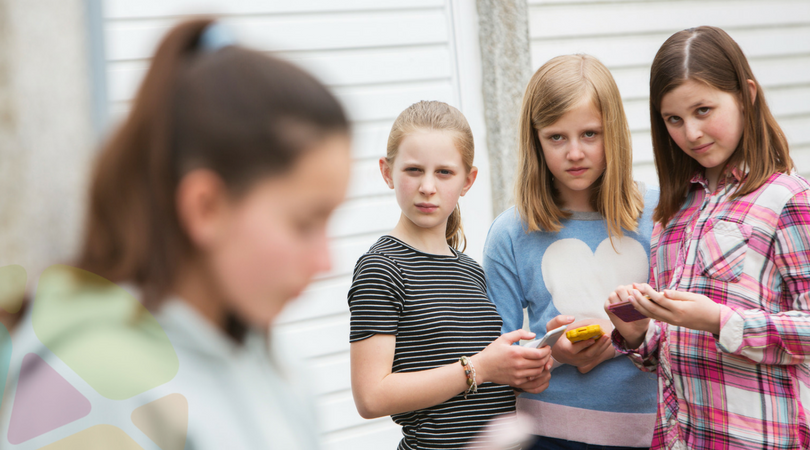
Photo of three girls bullying another girl
Beech Acres, Bullying, Cyberbullying, Parenting Tips, Parents, Services

Help! My Kid is a Cyberbully!

You’ve recently discovered inappropriate treatment directed at other children on your child’s phone. What will you say? Cyberbullying, a form of bullying or harassment using digital contacts such as texts, email, or social media, is a growing concern for parents. The influence of technology on our culture has never been greater. Kids are using digital devices at an earlier age and are spending much more time in front of them. The ubiquitous use of digital technologies has made them an easy platform for bullying to thrive. According to Stopbullying.org, 15% of all U.S. high school students were cyberbullied last year. Sadly, that number is dramatically higher, a staggering 55%, among LGBTQ students. We’ve recently explored ways to address bullying when your child is the victim, but what if your child is the bully? Here are some things to ask if you have discovered inappropriate treatment of other children on one of your child’s devices. Ask your child if she knows what can happen to kids that are cyberbullied. They can get depressed, become anxious, or worse. Ask your child what her intention was. What were they hoping to accomplish? Ask your child what the other child did to prompt their behavior.  Ask your child how else she can manage her feelings towards other children in acceptable ways. Listening to your child and understanding their behavior and their motivations are key to addressing this issue. Working through intention and consequences can lead to better decision making in the future.

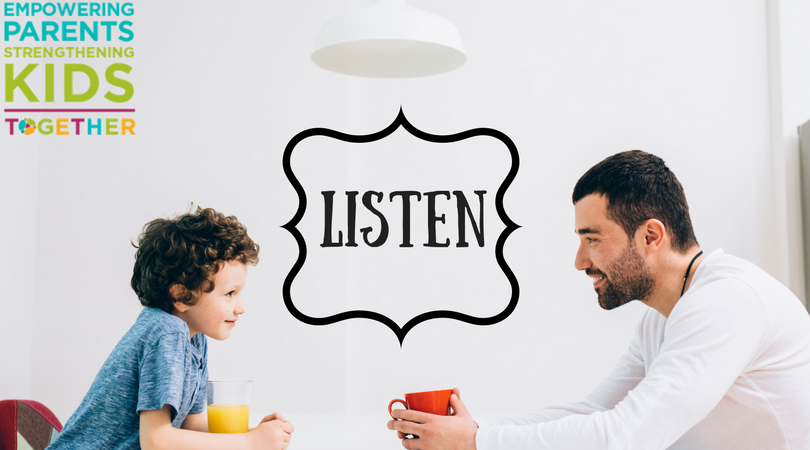
White listen graphic with father and son smiling at each other
Bullying, Parenting Tips, Parents

Listening To Your Child Is An Important Step In Addressing and Preventing Bullying

Listen. 28% of U.S. students in grades 6-12 experience bullying. Listening to your child is an important step in addressing and preventing bullying. Listen with empathy and give your child your undivided attention. Offer reassurance, acknowledge the situation and assure them you are taking them seriously. Ask your child how they see you helping the situation. This gives them some control over something they feel they have no control over. Try saying something like this: “I cannot imagine how difficult it is to worry about what they might say or do next. I have an idea about how I will take action, but I’d like to hear from you about what you would like for me to do”. By taking this approach you are modeling how to stand up for yourself in a proactive and confident way. Dealing with a bully is a delicate and difficult situation for your daughter or son. Simply listening to them is a great way to begin to empower them to address the problem.  

Scroll to Top